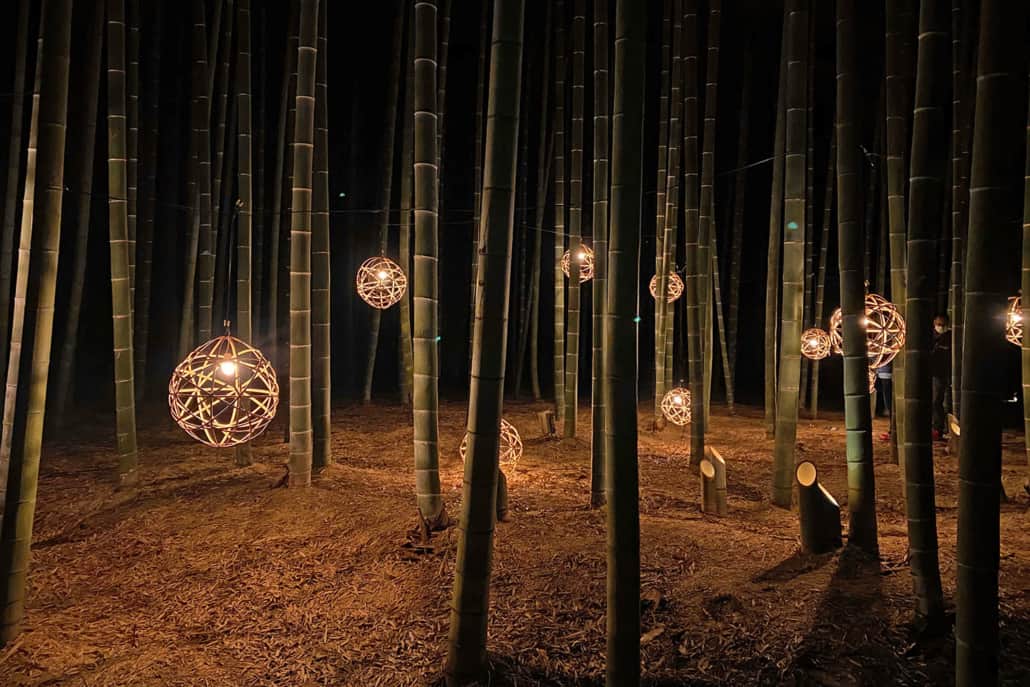
Bamboo forests in Japan
Sagano & Arashiyama bamboo grove alternative
A Guide to Japan’s Bamboo Forests
Off the beaten track
The most famous bamboo grove in Japan is undoubtedly in Arashiyama. But it’s usually very crowded, and you often have to line up at the attractions.
Bamboo is a symbol of strength, flexibility, and health, capable of repelling evil spirits. Bamboo forests were believed to be effective as shelter from earthquakes, and bamboo groves were built across the country to make land harder.
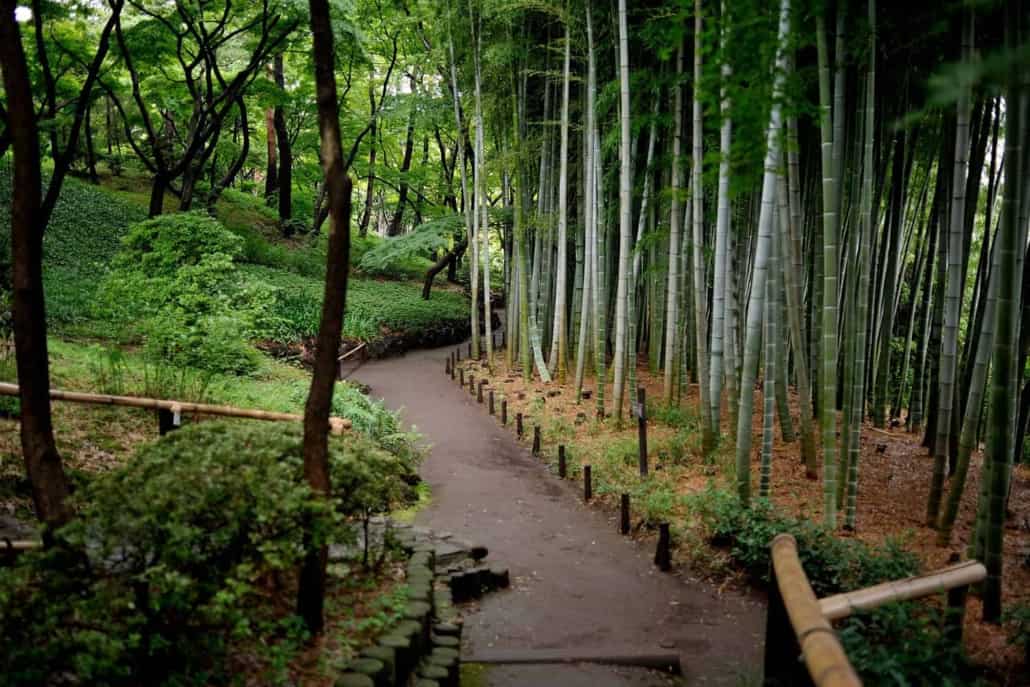
In Japan, you can encounter bamboo everywhere – In the mountains, near rivers, in strolling gardens, tea gardens and private residences.
Japan’s Most Beautiful Bamboo Forest Is Not in Kyoto.
Here is a (modest) list of gardens, parks and temples. The perfect green space escapes from the non-stop “hustle and bustle” of Arashiyama.
Kyoto
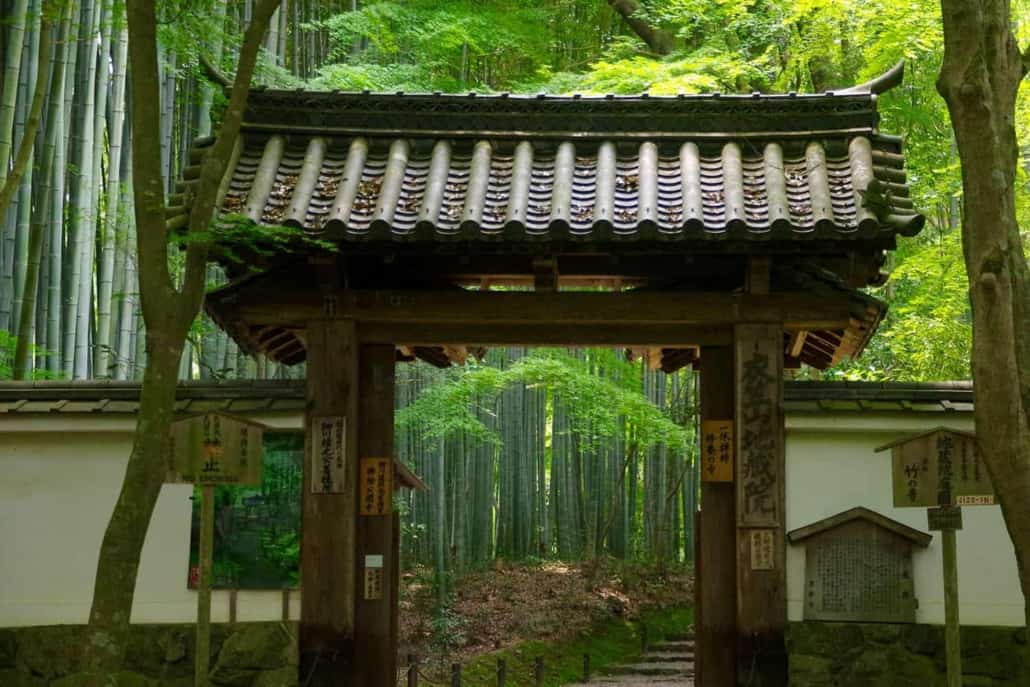
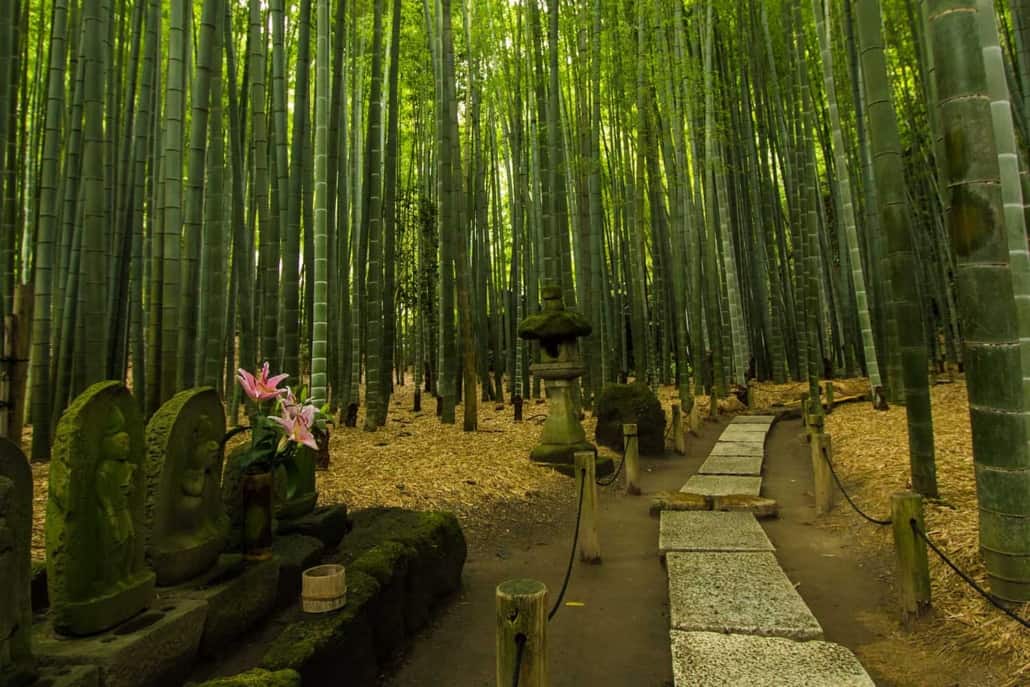
- Jizo-in, known as Take no Tera (bamboo temple), best known for its 1.200 statues of Rakan (disciple of Buddha).
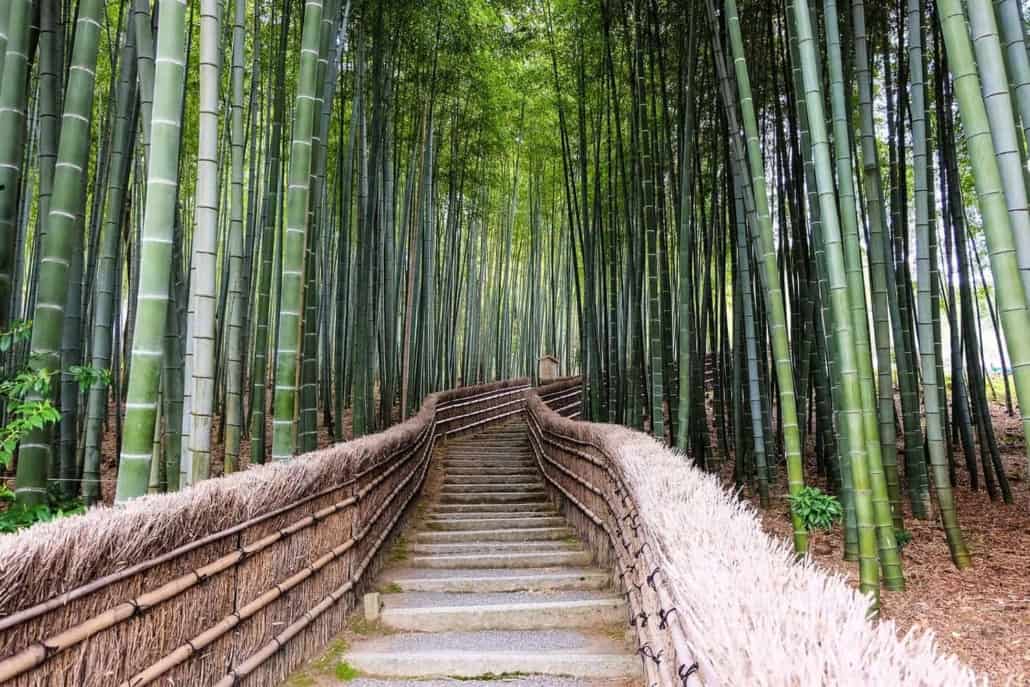
- Adashino Nenbutsuji, to enjoy a walk through a quiet bamboo forest.
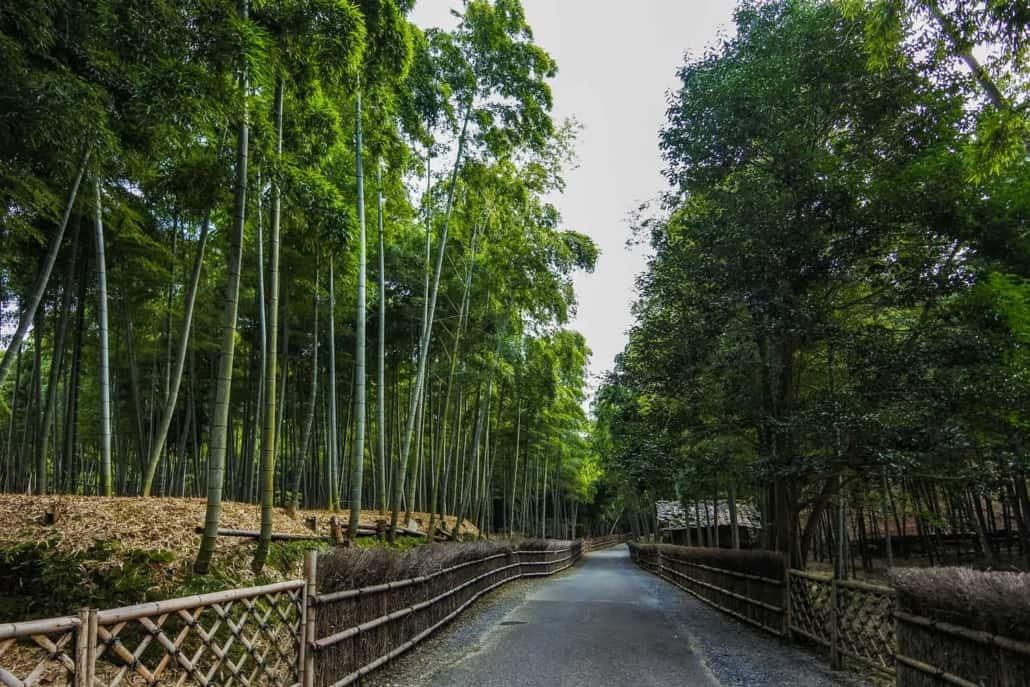
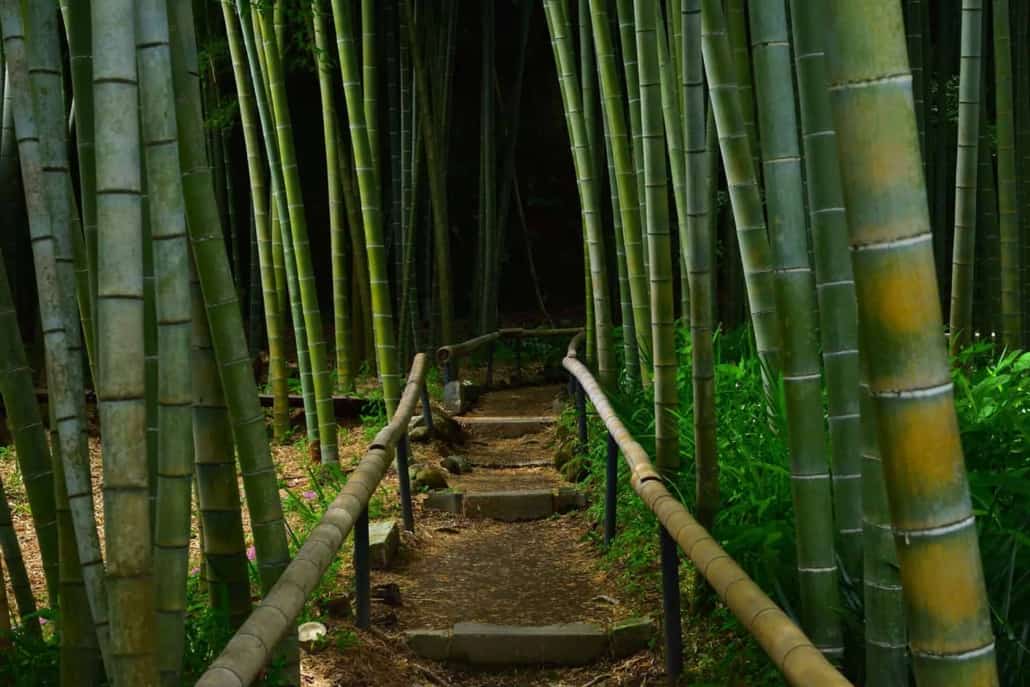
- Take-no-Michi, a 1.8km bamboo forest path lined with lush green thickets and trim bamboo hedges
- Top page photo, the Secret Bamboo Grove near Fushimi Inari.
Tokyo
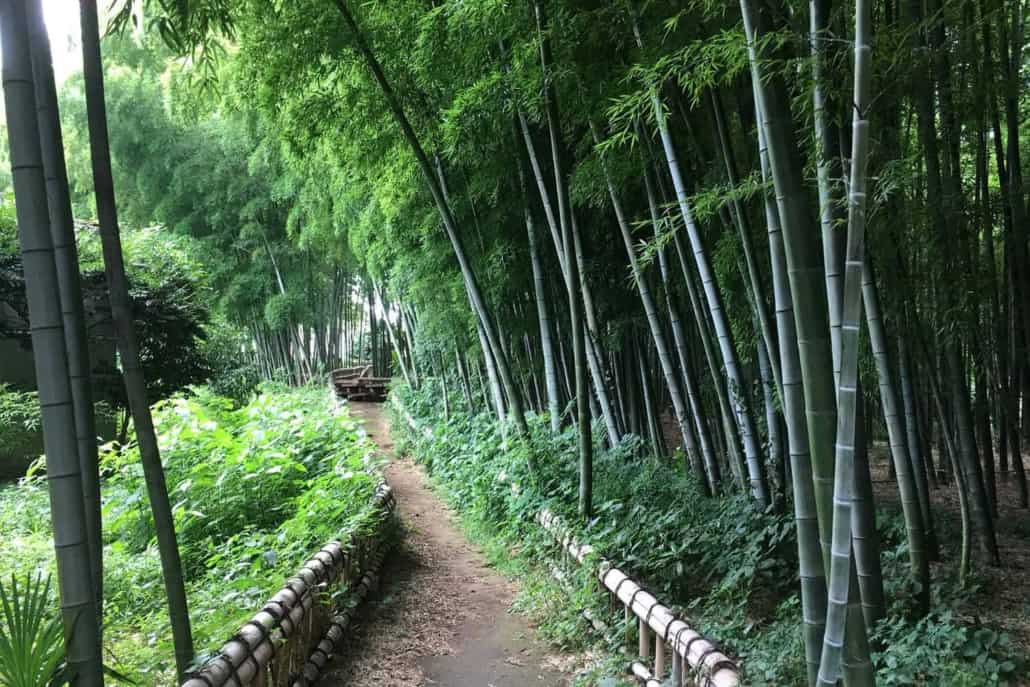
- Higashikurumeshi Chikurin Park, with its 2.000 bamboo trees casting a romantic image of silence and serenity,
- Tonogayato Garden, one of Tokyo’s finest gardens.
Kamakura (Kanagawa)
- Hokokuji or Takedera, also known as the “bamboo temple”.
- Eisho-ji, the only women’s temple in Kamakura with a small but beautiful bamboo grove .
Isu (Shizuoka)
- The Bamboo Forest Path of the Sora Togetsusou Kinryu Hotel.
Utsunomiya (Tochigi)
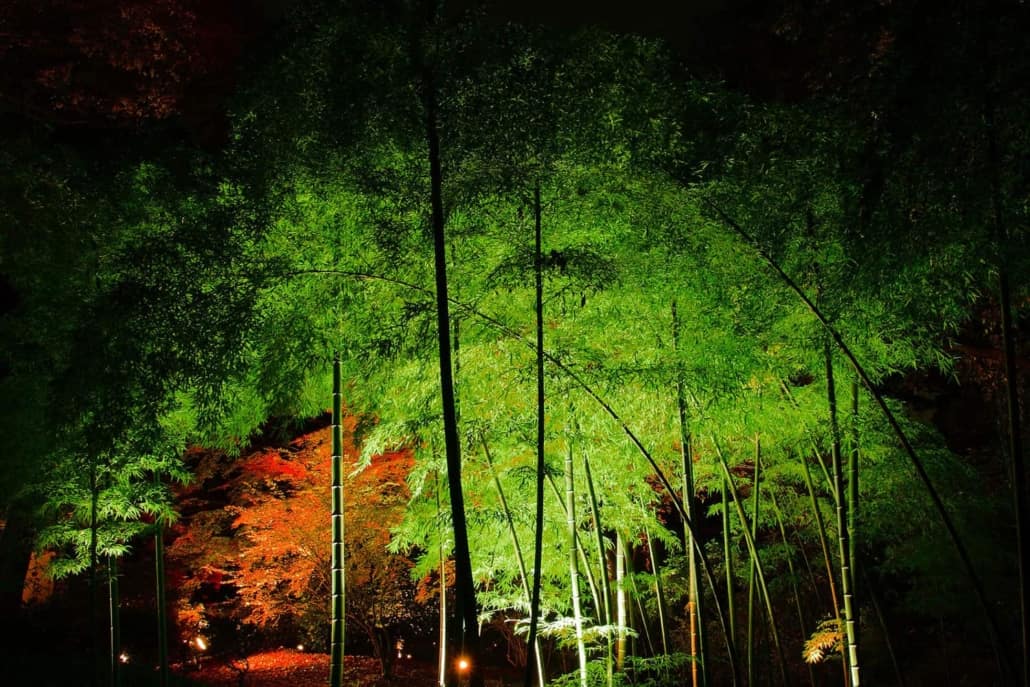
- Wakayama Farm, nicknamed the four seasons bamboo forest.